







[vc_row font_color=”#ffffff” css=”.vc_custom_1468929775875{padding-top: 17% !important;padding-right: 10% !important;padding-bottom: 17% !important;padding-left: 10% !important;background-image: url(https://abz.photowhoa.com/wp-content/uploads/2016/07/pexels-photo.jpeg?id=368028) !important;background-position: center !important;background-repeat: no-repeat !important;background-size: cover !important;}” background_style=”parallax”][vc_column font_color=”#ffffff” css=”.vc_custom_1414497512096{padding-right: 0px !important;padding-left: 0px !important;}”][vc_row_inner][vc_column_inner][vc_column_text css=”.vc_custom_1468942563774{margin-bottom: 0px !important;}”]
Do you love the sound of in-camera techniques?
Have you ever heard of the zone system of exposure?
[/vc_column_text][/vc_column_inner][/vc_row_inner][/vc_column][/vc_row][vc_row font_color=”#000000″ columns_height=”adjust_cols_height” css=”.vc_custom_1440461576782{background-position: center !important;background-repeat: no-repeat !important;background-size: cover !important;}” background_style=”normal”][vc_column width=”1/2″][vc_column_text css=”.vc_custom_1469012705141{margin-top: -30px !important;margin-bottom: 0px !important;padding-top: 13% !important;padding-right: 10% !important;padding-bottom: 5% !important;padding-left: 10% !important;}”]
Developed by Ansel Adams, this approach makes correct exposures easier to shoot .
But truth is, I can’t bring up a technique Ansel Adams used without first asking you: If it worked for him, shouldn’t it work for you? He had one of the greatest eyes ever known in the field of photography. And he developed this technique to make sure what his eye saw, his camera shot.
Of course, he first used it for film and black-and-white photographs. But the idea behind it — getting your tones as close to perfect in camera before starting on processing — still applies today.
Okay, so what is it and how will it make shooting correct exposures easier?[/vc_column_text][/vc_column][vc_column width=”1/2″ css=”.vc_custom_1469083617379{padding-top: 40% !important;padding-right: 0px !important;padding-left: 0px !important;background-image: url(https://abz.photowhoa.com/wp-content/uploads/2016/07/seim_portraits.jpg?id=368027) !important;background-position: center !important;background-repeat: no-repeat !important;background-size: cover !important;}”][/vc_column][/vc_row][vc_row font_color=”#ffffff” css=”.vc_custom_1469083337607{padding-top: 3% !important;padding-right: 10% !important;padding-bottom: 5% !important;padding-left: 10% !important;background-image: url(http://test.photowhoa.com/2015/wp-content/uploads/2015/05/HDR-actions-example.jpg?id=284615) !important;background-position: center !important;background-repeat: no-repeat !important;background-size: cover !important;}” background_style=”parallax”][vc_column font_color=”#ffffff” css=”.vc_custom_1469083204555{padding-right: 0px !important;padding-left: 0px !important;}”][vc_column_text]Well, first off, it’s a standardized approach to getting a precise evaluation of light, tone, and dynamic range found in a scene. By standardized, I mean there’s no ambiguity in getting the best possible results.
It works the same for you as it would for me. And those results come easier because you’re evaluating light against a scale of exposure. Meaning, you’re finding your highlights and shadows and spot metering for them. But that’s only my feeble attempt to explain it!
That’s why I’m so excited to share Gavin Seim’s Exposed Workshop with you. Not only does he explain the zone system of exposure better than I ever could, he also breaks down working with natural light in a way that makes it easier to wrap your mind around.
So we knew couldn’t pass this workshop up. With it, you’re going to learn an in-camera technique that’s one of our personal favorites, one that most photographers overlook. And you’re also going to get a fun and entertaining look into adopting a less chaotic approach to shooting natural light.
And we’re really excited to share this awesome video course with you, but it’s a limited-time promotion. So it won’t last long! If you’re looking to get an in-camera approach to shooting perfect exposures, you better hurry and buy this download now![/vc_column_text][/vc_column][/vc_row][vc_row css=”.vc_custom_1414501793810{padding-right: 10% !important;padding-left: 10% !important;background-color: #f7f7f9 !important;}” background_style=”normal”][vc_column][vc_column_text css=”.vc_custom_1468944181754{padding-top: 5% !important;}”]
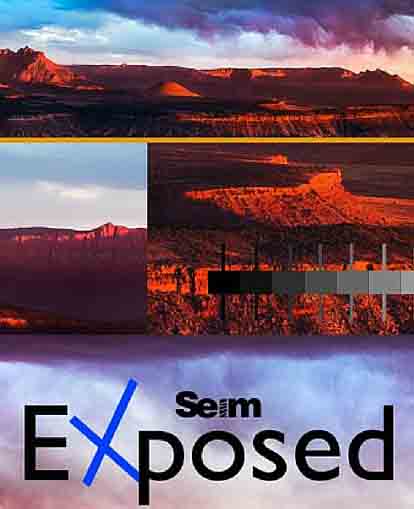
EXposed is gonna teach you the Art & Science of Light
[/vc_column_text][vc_single_image image=”368061″ alignment=”center”][/vc_column][/vc_row][vc_row][vc_column][vc_column_text css=”.vc_custom_1468943190187{padding-top: 5% !important;padding-bottom: 3% !important;}”]
Could you explain what I’m going to learn, again?
[/vc_column_text][vc_video link=”https://vimeo.com/46919222″][/vc_column][/vc_row][vc_row font_color=”#000000″ css=”.vc_custom_1468943051470{background-color: #000000 !important;}”][vc_column][vc_column_text css=”.vc_custom_1468943216931{padding-top: 5% !important;padding-right: 10% !important;padding-bottom: 5% !important;padding-left: 10% !important;}”]Again, Gavin says it better than I ever could, but the zone system of exposure is an in-camera way of evaluating which settings work best with a scene’s specific highlights, mid-tones, and shadows. That’s what you’re going to learn in a nutshell.
With it, you’ll be able to:
- Know precisely when you’ll need to snap on ND Filters
- Understand how far apart your exposures should be for blends
- Know when you should pop in a fill flash
But you’re going to learn so much more than just that. Divided into 14 lessons with over 4 hours of content, you’re going to learn everything Gavin does to make his award-winning work.
You’ll learn how he finds a location, sets up his gear, evaluates a scene, shoots what he sees, and post-processes it. It’s A-to-Z and back again workshop plan. Absolutely nothing is left out. And because Gavin’s one of the most charming photographers I’ve seen, you’ll love what you’re watching![/vc_column_text][vc_row_inner css=”.vc_custom_1468944511536{padding-bottom: 5% !important;}”][vc_column_inner width=”1/2″][vc_column_text css=”.vc_custom_1468944801091{padding-bottom: 5% !important;padding-left: 20% !important;}”]
What You Get in 14 Power Packed Chapters:
– Complete AWARD WINNING series.
– Exposure and light principles from A-Z
– Making Exposure Simple.
– Zones & Tones Made Simple.
– True Visualizing.
– Using Light Ratios.
– REALLY seeing the Light
– Dynamic Range.
– Mastering Long Exposures.
– Space, Line, and Tone.
– Image Finishing.
– Directing Light.[/vc_column_text][/vc_column_inner][vc_column_inner width=”1/2″][vc_single_image image=”368062″ css=”.vc_custom_1468944619560{padding-top: 3% !important;padding-right: 15% !important;}”][/vc_column_inner][/vc_row_inner][/vc_column][/vc_row][vc_row font_color=”” css=”.vc_custom_1440465985813{padding-top: 10% !important;padding-bottom: 10% !important;background-color: #f7f7f9 !important;}”][vc_column][vc_column_text css=”.vc_custom_1468944889557{padding-right: 10% !important;padding-left: 10% !important;}”]
If the zones worked for Ansel Adams, shouldn’t they work for you?
Learn the zone system of exposure. Get an approach that makes shooting easier. Buy it today!
[/vc_column_text][vc_column_text][add_to_cart_or_expire_btn][/vc_column_text][/vc_column][/vc_row]

Guillaume Giordanino –
A beautiful journey into the world of natural light, really useful !